A Village Habit, Explained
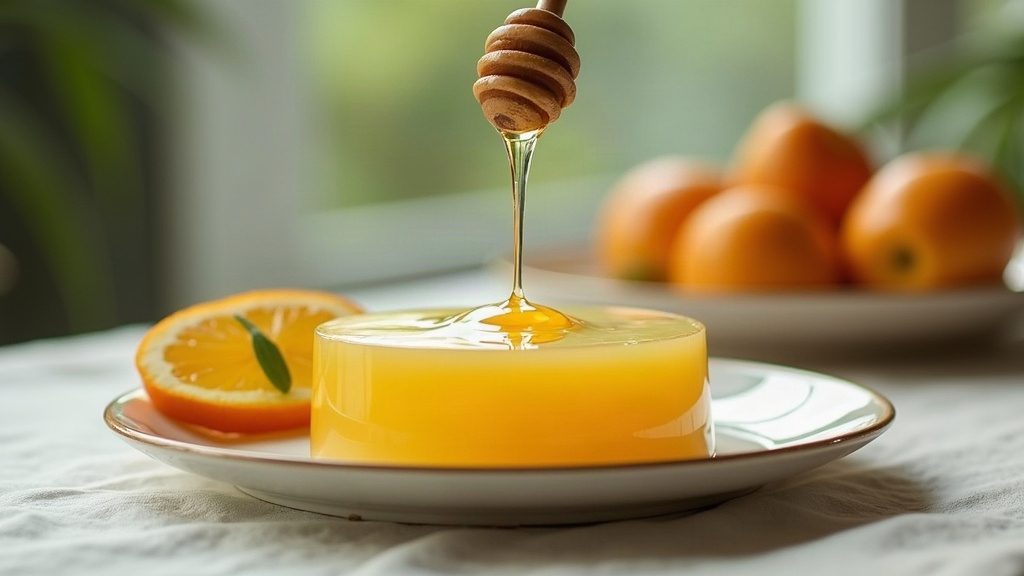
The Morning Habit of Honey and Gelatin That Village Elders Never Skipped
Long before modern routines took over, men in certain villages began their day with a simple pairing of honey and gelatin — a small ritual passed quietly from one generation to the next, and still practiced by a few who remember why it mattered.
What Changes After 50 — And Why Mornings Matter
Every stage of life has its own rhythm. For men past fifty, the first hour of the day often sets the tone for everything that follows, which is exactly why a small, deliberate habit like honey and gelatin caught the attention of village elders long before it caught ours.
The Morning Window Shrinks
The unhurried mornings of younger years tend to get replaced by shorter, busier ones — leaving little room for anything beyond coffee and a quick exit out the door.
Rest Feels Different
Sleep at this stage of life doesn't always feel the same as it once did, and many men notice the difference the moment they wake up.
Energy Isn't as Predictable
Some days start strong, others don't — and it's not always clear why the pattern shifts from one morning to the next.
Routines Get Overlooked
Small daily rituals that once felt automatic can quietly fall away, replaced by whatever's fastest or easiest in the moment.
Six Signals Worth Paying Attention To
01 · Mornings Feel Rushed From the Start
Waking up already behind schedule, with no time carved out for anything but the essentials.
02 · The Same Old Breakfast, Out of Habit
Reaching for whatever's fastest rather than something chosen with any real intention.
03 · Energy Dips Show Up Earlier in the Day
A slump that used to arrive mid-afternoon now seems to show up before lunch.
04 · Little Rituals Have Quietly Disappeared
The small things that once marked the start of a good day have faded without much notice.
05 · Mornings Feel More Functional Than Enjoyable
Getting through the first hour of the day, rather than genuinely looking forward to it.
06 · Old Habits Get Replaced by Convenience
Traditions once passed down through family or community get swapped for whatever's quickest.
Myths vs Facts: Sorting Old Wisdom From Old Wives' Tales
Village habits often get dismissed as superstition, or exaggerated into miracle claims. Neither extreme tells the full story — here’s a more grounded look at honey and gelatin.
Traditional morning habits like this one are just old superstition with no real basis.
Many village routines were built around simple, observable ingredients — not folklore, but everyday practicality passed down through experience.
Honey and gelatin is a modern wellness trend invented for marketing.
The pairing predates modern wellness culture by generations; it was a household habit long before it had a name or a following.
If a habit isn’t backed by a clinical study, it isn’t worth understanding.
Not every tradition has been formally studied, but that doesn’t make its history or context any less worth exploring for what it is — a habit, not a treatment.
A Simple Three-Part Morning Method
The village version of this habit was never complicated. It followed a loose, repeatable rhythm — one that’s easy to understand even today.
Step One — Start Before the Day Speeds Up
The habit was always practiced early, before the morning got swallowed by errands, work, or noise.
Step Two — Keep the Pairing Simple
Honey and gelatin were combined in small, unremarkable amounts — nothing elaborate, nothing measured with precision.
Step Three — Make It a Fixed Point, Not an Afterthought
The value of the habit came from repetition and consistency, not from any single morning on its own.
Where the Habit Comes From
In several small farming villages, honey was one of the few sweeteners readily on hand, and gelatin came from the slow, careful use of what the household already had. Combining the two wasn’t a formal recipe — it was resourcefulness, passed from mothers and grandmothers to the men of the house, who kept the habit going largely out of routine rather than reflection.
What stands out isn’t the ingredient list itself, but how consistently the habit was kept — a small act repeated so often it became invisible, woven into the ordinary rhythm of a village morning.
Notes From Readers Who Tried the Habit

Illustrative composite examples. Individual results vary. Not a guarantee.
Frequently Asked Questions
No. It’s typically described as a small addition to the morning, not a replacement for regular meals.
Historical accounts describe it as a household routine practiced across ages, but its mention in relation to older men comes from how consistently it was kept later in life.
Traditional accounts place it in the early morning, though the exact timing was never treated as a strict rule.
It refers to a simple, household-prepared ingredient rather than a commercial or manufactured product.
Honey was simply one of the most accessible natural sweeteners in these village settings, which is likely why it became the default choice.
This page focuses on the historical and cultural context of the habit rather than presenting it as a subject of formal clinical research.
Speaking with a healthcare professional is always a reasonable step before adopting any new habit, especially regarding diet.
Continue Reading About the Honey and Gelatin Habit
There’s more to this village tradition than a single morning ritual — its full history, context, and how it quietly persisted for generations, is covered in the complete article.
Advertising Disclosure: This page contains sponsored content and affiliate links. We may receive compensation if you click on or make purchases through links on this page. This helps support the operation of this site at no additional cost to you.
Content Disclaimer: The content on this page is for educational and informational purposes only. It has not been evaluated by the Food and Drug Administration (FDA). Nothing on this page is intended to diagnose, treat, cure, or prevent any disease. Always consult a qualified healthcare professional before making changes to your diet, lifestyle, or health routine.
Results Disclaimer: Individual results vary. Testimonials and examples featured on this page are illustrative and are not a guarantee of any particular outcome or result.
© 2026 · All Rights Reserved · /contact/